Breaking Down E-Waste: Key Myths and Facts About Recycling
Electronic waste is an increasing problem in our current technological landscape. Numerous individuals harbor misunderstandings about how it is recycled. Common beliefs suggest that e-waste cannot be recycled or that disposal options are limited. These myths Contact us can hinder effective recycling efforts and exacerbate environmental damage. Comprehending the truths about electronic waste management is vital. What is the true effect on our environment, and in what ways can people help build a greener future? Exploring these questions reveals vital insights.
A Guide to E-Waste: What It Is and How to Handle It Responsibly
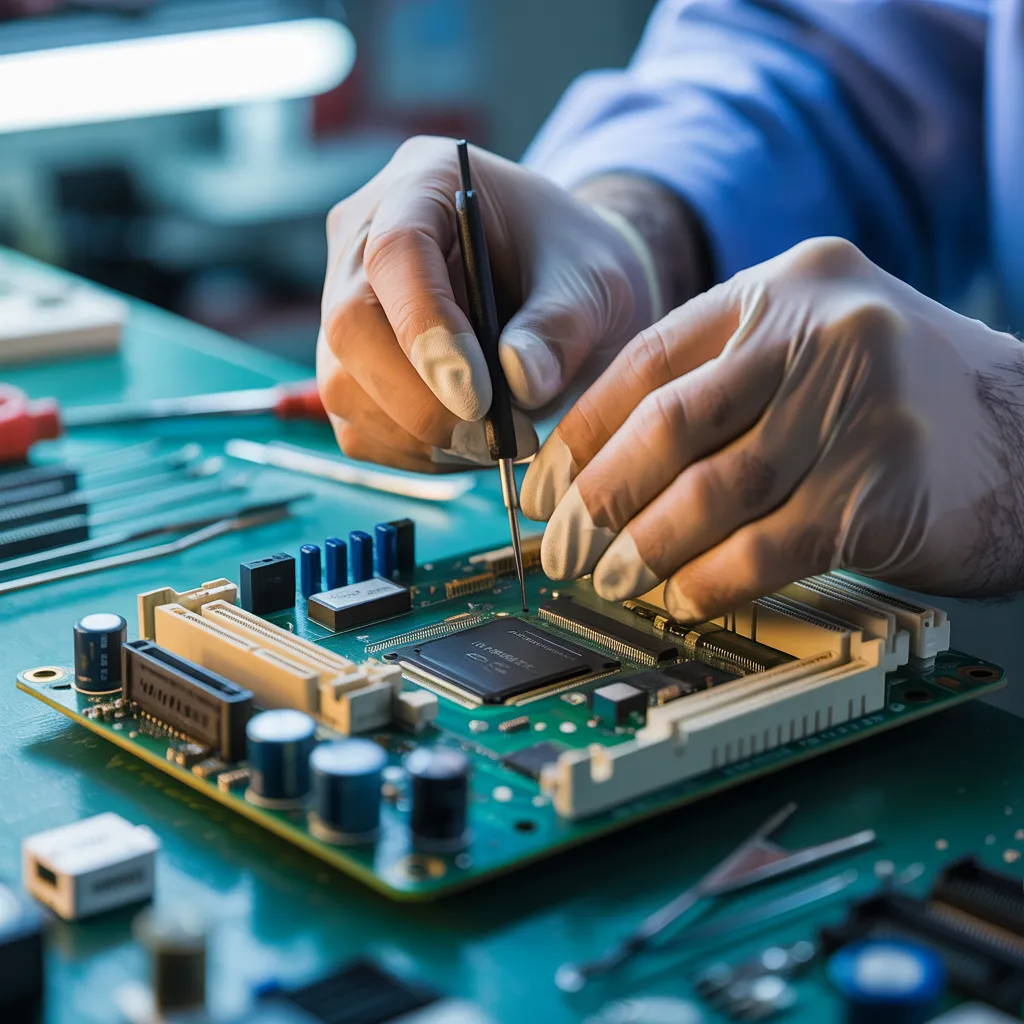
Electronic waste, commonly known as e-waste, is defined as disposed electrical appliances, including personal computers, smartphones, and television sets. This classification of waste is expanding quickly owing to the swift progression of technological innovation, leading to significant environmental concerns. Many electronic devices contain hazardous materials such as lead, mercury, and cadmium, which can pose risks to human health and ecosystems when improperly disposed of.
The responsible handling of e-waste includes recycling through accredited programs that guarantee secure processing and management. A wide range of local and national organizations facilitate collection events, drop-off centers, and postal recycling options. Individuals are advised to look for certification marks, such as R2 or e-Stewards, to verify that their e-waste is handled responsibly. Additionally, offering operational devices for donation can help extend their lifespan while cutting down on waste. By gaining knowledge about e-waste and implementing appropriate disposal techniques, individuals can support a more sustainable future and lessen environmental consequences.
Debunking Myths About E-Waste Recycling
In what ways do common misconceptions about e-waste recycling impede effective disposal practices? Misconceptions about e-waste recycling frequently result in improper disposal methods, ultimately worsening the situation. One widespread misconception is that all e-waste is fully recyclable, which tends to breed complacency. The truth is that not all components can be efficiently processed, and some necessitate specialized handling. Another misconception is that recycling e-waste is too complicated or costly, deterring individuals from participation. The reality is that numerous communities provide accessible and free recycling programs. Additionally, the belief that e-waste simply ends up in landfills undermines the significant efforts of recycling organizations that prioritize responsible processing. These myths not only misinform the public but also impede the collective effort needed to manage e-waste sustainably. Addressing and debunking these misconceptions is essential for fostering responsible consumer behavior and enhancing the overall effectiveness of e-waste recycling initiatives.
What Happens to the Environment When We Don't Recycle E-Waste
Not recycling e-waste properly presents serious dangers to the environment. When electronics are disposed of incorrectly, dangerous chemicals like lead, mercury, and cadmium may contaminate soil and water sources, resulting in serious environmental pollution. Such dangerous compounds threaten the health of both animals and people, disrupting ecosystems and contaminating food sources.
Additionally, the buildup of e-waste in landfills results in the erosion of natural resources. Valuable metals and materials that could be recovered and reused are lost, increasing the demand for new mining operations, which additionally degrades the environment. In addition, the carbon footprint connected to manufacturing new electronics is exacerbated, as raw materials are extracted and processed.
Effective Techniques for Recycling Your Old Electronics
In the context of recycling old electronics, there are multiple viable solutions for consumers. Regional recycling facilities commonly supply dependable disposal solutions, guaranteeing that components are handled in an environmentally sound manner. In addition, donating serviceable gadgets can increase their longevity while supporting individuals who could use assistance.
Neighborhood Recycling Efforts
Many communities now offer community-based recycling initiatives designed specifically for the responsible handling of old electronics. These efforts work to minimize digital waste by offering convenient drop-off points and organized collection drives. Residents can often find information on qualifying items, ensuring that hazardous materials are properly managed. Community recycling programs often collaborate with licensed e-waste disposal specialists, who adhere to environmental standards to recover useful resources and safely eliminate dangerous elements. Some programs also offer incentives, like price reductions on updated technology, to promote community involvement. Through taking advantage of these community assets, individuals can contribute to environmental sustainability while ensuring their old devices are recycled in a safe and effective manner. Understanding these opportunities is critical for conscientious electronic waste handling.
Charitable Donation Options
Community recycling initiatives not only offer a method for appropriate disposal but also generate opportunities for contributing used electronics. Many organizations accept functioning devices, such as computers, smartphones, and tablets, which can be repurposed for educational or charitable use. Schools, non-profits, and community centers often welcome such donations, ensuring that valuable technology reaches those in need. Moreover, select manufacturers and retailers run trade-in schemes, permitting individuals to exchange aging devices for store credit, which supports sustainable consumption. It is essential to research local options and verify that the receiving organization follows responsible recycling practices. By choosing to donate over throwing away, individuals can lengthen the lifespan of electronic devices while fulfilling their community's technological demands.
How Recycling E-Waste Can Benefit You and the Environment
Although some may overlook its significance, e-waste recycling delivers considerable value for both consumers and the natural world. By appropriately handling discarded electronics, individuals can ensure that valuable materials, such as alloys and polymers, are recovered and reused, reducing the need for raw material extraction. This not only protects valuable natural assets but also minimizes pollution associated with resource harvesting and fabrication methods.
Moreover, the recycling of e-waste helps stop toxic substances, such as lead and mercury, from polluting water sources and soil. By diverting e-waste from landfills, neighborhoods can significantly reduce potential health risks to people and wildlife alike.
In addition, participating in e-waste recycling has the potential to create economic opportunities, as the recycling industry stimulates job growth and strengthens local economies. In the end, conscientious e-waste handling fosters a environmentally sound future, enhancing individual well-being, the ecological balance, and the economy in equal measure. Recognizing these advantages can motivate more individuals to get involved with e-waste recycling efforts.
How to Locate Local E-Waste Recycling Programs
How can individuals locate e-waste recycling programs in their area? A variety of resources are available to assist in this endeavor. Local governments often maintain websites listing authorized recycling facilities. These platforms usually offer specifics regarding accepted materials and any relevant charges. Additionally, groups such as Earth911 supply searchable directories that allow individuals to identify nearby e-waste collection sites by submitting their zip codes.
Municipal initiatives, such as electronic waste collection drives, are frequently organized by city authorities or charitable organizations, offering convenient options for responsible disposal. Technology stores may also engage in waste reduction efforts, collecting old electronics for responsible management. Furthermore, state-level ecological departments often extend assistance on electronics recycling practices and can direct individuals to reliable disposal solutions. By leveraging these available tools, residents can guarantee their electronic waste is disposed of responsibly, fostering long-term environmental health.
Frequently Asked Questions
Can Electronic Waste Be Fixed Instead of Being Recycled?
E-waste can frequently be restored instead of recycled, subject to how well the device is functioning and whether parts are accessible. Fixing extends the item's lifespan and minimizes the environmental footprint, offering an eco-friendly option compared to conventional recycling approaches.
What Types of Electronics Are Considered E-Waste?
E-scrap includes discarded electronic products including tablets, computers, smartphones, printers, televisions, and appliances. Such products often contain dangerous materials, which makes proper recycling and disposal critical for environmental protection and public health.
Do Any Legal Regulations Exist for E-Waste Disposal?
Absolutely, there are laws and regulations controlling e-waste disposal. Numerous regions and nations enforce regulations to secure correct recycling and handling, working to reduce environmental harm and foster responsible oversight of electrical waste through particular rules and requirements.
How Can I Safely Store E-Waste Before Recycling?
When it comes to safely storing e-waste before recycling, people should store their devices in a cool, dry location, disconnect power sources, and utilize durable containers to avoid damage. Clearly label all items to ensure correct disposal at a later time.
What Certifications Should I Look for in E-Waste Recyclers?
When evaluating e-waste recyclers, individuals should look for certifications such as R2 Responsible Recycling, e-Stewards, and ISO 14001. These qualifications confirm compliance with environmental standards and proper management of e-waste throughout the recycling process.